
How to lose 30 kg

Quick answer Losing 30 kg is a plan measured in months, and for many patients it takes a year or more. Endocare’s endocrinologists typically observe three to four kilos a month in patients on treatment, and weight loss often slows over time. Weight loss of this magnitude is often associated with clinically meaningful improvements in […]
Loose skin after weight loss: what causes it and what is realistic

Quick answer Loose skin after weight loss happens when stretched skin does not fully retract as the fat beneath it is lost. How much loose skin develops varies with factors such as age, starting weight, the amount of weight lost and skin elasticity. Skin laxity may improve gradually after weight stabilises. Loose skin alone does […]
How to lose 40 kg
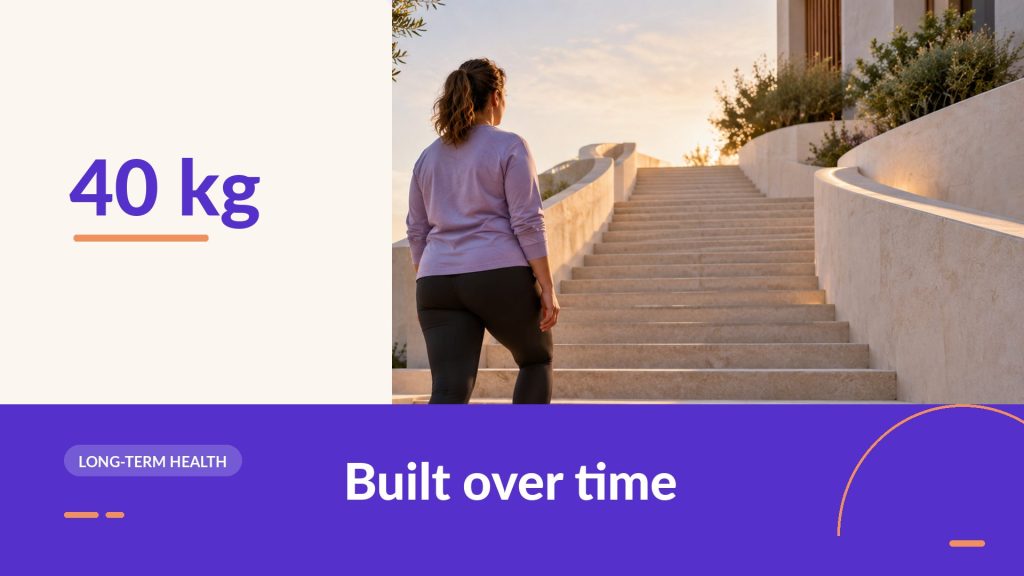
Quick answer Losing 40 kg is likely to take more than a year for most patients. Our endocrinologists typically observe three to four kilos a month on treatment, and weight loss often slows over time. In SURMOUNT-1, a Phase 3 clinical trial of tirzepatide, patients on the highest dose lost an average of around 20% […]
How many kilos can you lose in a month?

Quick answer The US Centers for Disease Control and Prevention describes a gradual pace of around 0.5 kg to 1 kg a week, roughly two to four kilos a month. That range is general guidance. The appropriate rate varies with your starting weight, your medical history and whether you are medically supervised. Endocare’s endocrinologists typically […]
Can you lose 5 kg in a week?
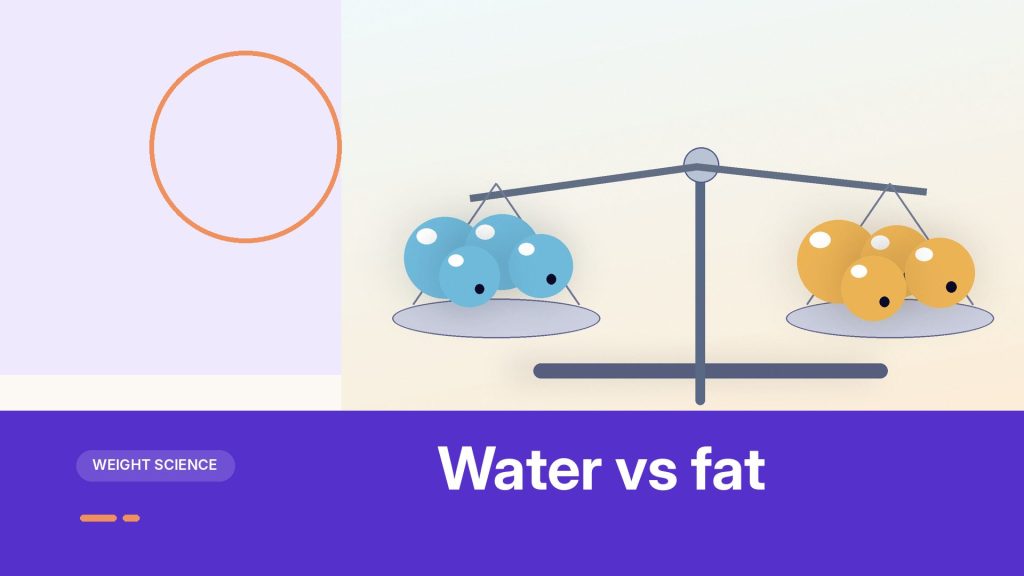
Quick answer Losing 5 kg of body fat in a week is not achievable for most people. The scale can move that far in the first week of a diet, because glycogen and the water stored with it are lost quickly. A change of that size is not common. A rapid shift may reflect dehydration […]
Microdosing Ozempic and Mounjaro: what it means and what the evidence shows
Quick answer Microdosing means taking less of a GLP-1 medication than the approved or prescribed dose. It is an off-label practice, and no clinical trial has shown it to be safe or effective for weight loss. A low approved dose chosen by your endocrinologist is different from microdosing. Some patients stay on a low approved […]
Compounded semaglutide and tirzepatide: what you should know

Quick answer A compounded GLP-1 is prepared by a compounding pharmacy from an active pharmaceutical ingredient, not manufactured as a licensed medicine. The US Food and Drug Administration states that unapproved versions, including compounded semaglutide and tirzepatide, are not reviewed for safety, effectiveness or quality before they are marketed. Published analyses of compounded products have […]
How many calories does it take to lose 1 kg?
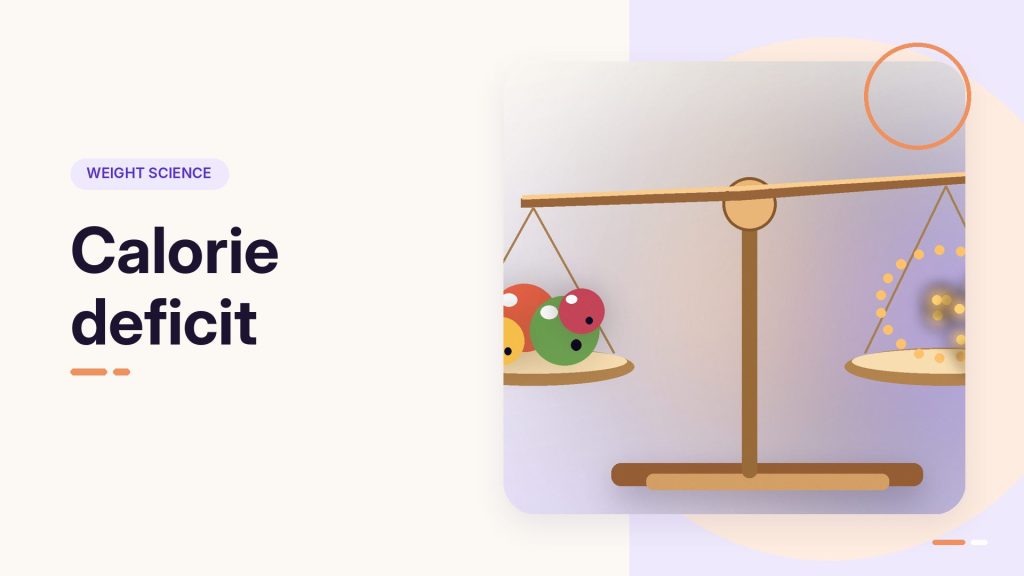
Quick answer Losing 1 kg of body fat takes an energy deficit of roughly 7,700 calories. The figure is an approximation and a useful starting point. A deficit that is truly maintained still produces fat loss. What often shrinks is the realised deficit: as resting metabolic rate decreases, the same daily intake no longer creates […]
Losing weight after pregnancy, and what to check if it will not shift

Quick answer Most women lose weight gradually after giving birth, and a slow pace is normal. MedlinePlus advises waiting until the postpartum check-up before trying to lose weight and, when breastfeeding, until the baby is around two months old and milk supply has settled. When weight does not change despite a consistent plan, we recommend […]
Losing weight with an underactive thyroid
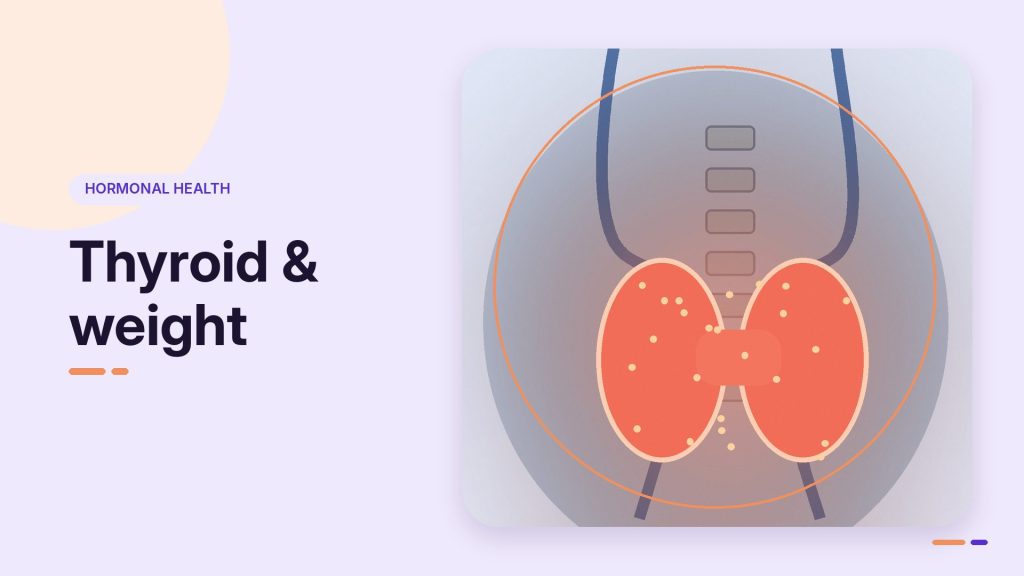
Quick answer An underactive thyroid can cause modest weight gain, much of it salt and water rather than body fat. The British Thyroid Foundation states that treatment can be expected to produce a small weight loss, usually less than 10% of body weight, and that no significant weight loss is fairly common. The American Thyroid […]