

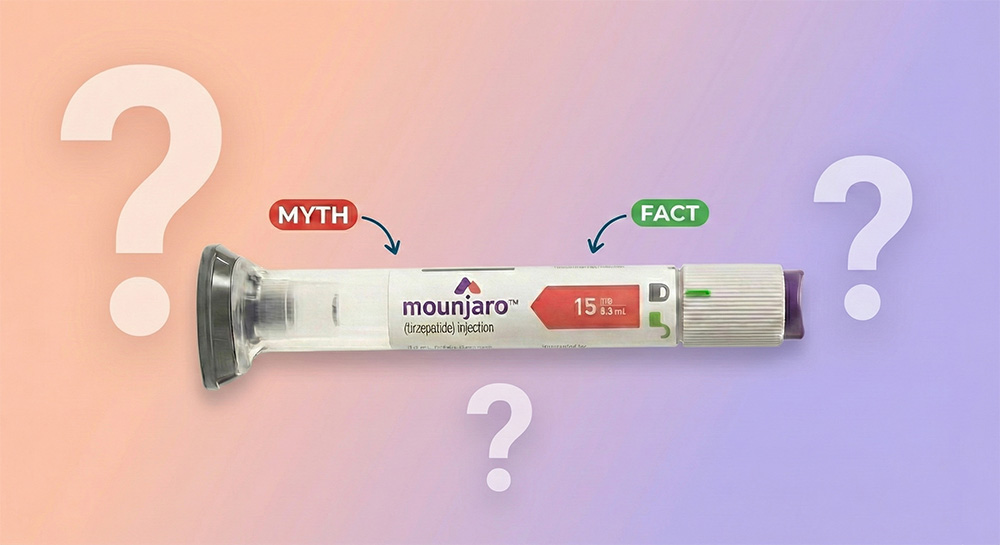
As interest in medical weight management has grown, so have common myths about weight loss injections. Social media posts, headlines, and anecdotal experiences often present these treatments as either effortless solutions or inherently risky interventions, leaving many people unsure what to believe.
Weight loss injections affect appetite and metabolism, but responses vary between individuals, making oversimplified claims misleading.
This article examines the most frequently repeated myths surrounding weight loss injections in dubai, including assumptions about safety, effectiveness, body changes, lifestyle requirements, and what happens after treatment is stopped.
9 Common Myths At A Glance
Here’s a list of most commonly repeated myths about weight loss injections:
- Myth 1: Weight loss injections are a quick or effortless fix
- Myth 2: You Don’t Need To Change Your Diet Or Habits When Using Injections
- Myth 3: Anyone Can Use Weight Loss Injections
- Myth 4: Using Injections Means You Lack Willpower
- Myth 5: Weight Loss Injections Are Unsafe Or Experimental
- Myth 6: Side Effects Are Always Severe Or Unavoidable
- Myth 7: Weight Loss Injections Always Cause Muscle Loss
- Myth 8: All weight is regained immediately after stopping
- Myth 9: All The Weight Comes Back Immediately After Stopping Injections
- Myth 10: All Weight Loss Injections Work The Same Way
Each of these beliefs simplifies a complex medical topic. The sections that follow examine where these myths come from and how they compare with clinical understanding.
Myth 1: Weight Loss Injections Are A Quick Or Effortless Fix
A common belief is that once you start weight loss injections, the weight simply “falls off” with little effort. This idea is often shaped by dramatic before-and-after stories that focus on results, not the process behind them.
Weight loss injections such as Wegovy, Mounjaro, and Ozempic can reduce appetite for some people, but they don’t bypass normal physiology. When expectations are set too high, this myth can lead to:
- Disappointment if progress feels slower than expected
- Misunderstanding how the treatment actually works
- Frustration when results vary from person to person
Reality:
Weight loss injections act as medical tools that support appetite regulation. How much change occurs, and how sustainable it is, depends on individual response, health context, and how the treatment is used over time.
Myth 2: You Don’t Need To Change Your Diet Or Habits When Using Injections
Another widespread misconception is that lifestyle factors become irrelevant once injections are introduced. Because some people notice reduced hunger, it’s easy to assume that food choices and routines no longer matter.
In reality, appetite changes don’t automatically translate into balanced nutrition or long-term habits. When this myth takes hold, people may experience:
- Inconsistent or limited progress
- Nutritional gaps due to reduced intake
- Difficulty maintaining weight loss after treatment
Reality:
Weight loss injections do not replace lifestyle changes; they depend on them. Adjustments to diet, activity, and daily routines are necessary for long-term success. In practice, lifestyle changes not only support weight loss during treatment but significantly increase the likelihood of maintaining weight loss once injections are reduced or stopped.
Myth 3: Anyone Can Use Weight Loss Injections
It’s often assumed that weight loss injections are suitable for anyone who wants to lose weight. This belief usually comes from seeing them discussed as general wellness tools rather than prescription treatments.
In reality, suitability varies, and this myth can lead to confusion around access and safety. When eligibility is oversimplified, it can result in:
- People overlooking important health considerations
- Assumptions that injections are for cosmetic use alone
- Underestimating the need for medical review
Reality:
Weight loss injections are prescribed based on individual health factors. Medical assessment helps identify who may benefit, who may need caution, and who should avoid treatment altogether, which is why eligibility screening is an essential part of responsible use.
Myth 4: Using Injections Means You Lack Willpower
Another persistent misconception about weight loss injections is that needing medical support reflects a lack of discipline or effort. This idea often comes from long-standing beliefs that weight management is purely a matter of personal control.
In practice, this myth overlooks the biological factors involved in appetite regulation and weight change. It can also contribute to:
- Unnecessary guilt or self-blame
- Stigma around seeking medical support
- Delayed or avoided treatment discussions
Reality:
Weight regulation is influenced by hormones, metabolism, and physiology, not just motivation. Using injections does not replace effort; it reflects a medical approach to managing complex factors that aren’t always responsive to willpower alone.
Myth 5: Weight Loss Injections Are Unsafe Or Experimental
Some people assume that weight loss injections are new, untested, or inherently unsafe. This misconception is often driven by headlines that focus on side effects without explaining how these treatments are actually used.
When safety concerns are framed without context, they can lead to:
- Fear-based assumptions about treatment risks
- Confusion between research use and routine medical care
- Avoidance of informed discussions with clinicians
Reality:
Weight loss injections are prescription treatments that have been studied and are used under medical supervision. Like all medications, they carry potential risks, which is why assessment and monitoring are central to addressing injection safety myths responsibly.
Myth 6: Side Effects Are Always Severe Or Unavoidable
Another common belief is that everyone who uses weight loss injections experiences severe side effects. This perception often comes from online accounts that highlight extreme experiences rather than typical use.
This myth can cause people to expect the worst or assume treatment will be intolerable, leading to:
- Unnecessary anxiety before starting treatment
- Misinterpretation of mild or temporary symptoms
-
Early discontinuation without review
Reality:
Responses to weight loss injections vary widely. Some people experience side effects, others very little. When symptoms do occur, they are often manageable with medical guidance, which is why individual monitoring is an important part of treatment decisions.
Myth 7: Weight Loss Injections Always Cause Muscle Loss
A common concern is that weight loss injections lead to muscle loss rather than fat loss. This belief often comes from experiences associated with rapid weight changes, regardless of how the weight loss occurs.
When this myth circulates unchecked, it can create worries about strength, energy, and long-term health, especially among people already concerned about muscle preservation.
Reality:
Muscle loss is not an inevitable outcome of using weight loss injections. Changes in body composition depend largely on lifestyle factors, particularly adequate nutrition and regular strength or resistance training during treatment. Maintaining muscle mass is more closely linked to how weight loss is managed over time than to the injection itself.
Myth 8: All The Weight Comes Back Immediately After Stopping Injections
A common fear is that any weight lost while using injections will return as soon as treatment ends. This belief often comes from oversimplified narratives that frame weight change as entirely dependent on medication.
When this myth circulates, it can create anxiety around starting or stopping treatment and discourage longer-term planning.
Reality:
Weight changes after stopping injections vary between individuals, but lifestyle factors play a central role. Habits developed during treatment, including diet, physical activity, and ongoing routine adjustments, strongly influence whether weight loss is maintained. When lifestyle changes are sustained, immediate weight regain is not inevitable.
Myth 9: All Weight Loss Injections Work The Same Way
A common misconception is that all weight loss injections produce the same effects and can be used interchangeably.
This belief often arises from grouping injectable treatments together without considering how they differ in formulation, dosing, and mechanism of action.
When this myth circulates, it can lead to:
- Unrealistic expectations about outcomes
- Confusion when results differ between individuals
- Assumptions that switching between injections will produce identical effects
Reality:
Weight loss injections are not identical. Different medications act on different hormonal pathways involved in appetite regulation and metabolic control.
Some target a single pathway, while others act on multiple receptors, which can influence appetite response, tolerability, and how the body adapts over time.
Because of these differences, outcomes vary depending on the specific medication used, the individual’s physiology, and how treatment is monitored.
This is why injections are selected and adjusted based on clinical assessment rather than treated as interchangeable options.
Conclusion
Common myths about weight loss injections often arise from simplified stories that overlook how individual responses, health context, and medical oversight shape outcomes. These treatments are neither effortless solutions nor inherently risky interventions. Understanding the realities behind these misconceptions allows for more informed, realistic discussions. Ultimately, decisions about weight loss injections are best guided by medical assessment rather than assumptions, trends, or online narratives.
Frequently Asked Questions
Are weight loss injections safe to use?
Weight loss injections are prescription treatments used under medical supervision. Like all medications, they carry potential risks, which is why suitability, monitoring, and individual health context are considered before and during treatment.
Do weight loss injections work for everyone?
No. Responses vary between individuals due to differences in metabolism, appetite regulation, health conditions, and tolerance. This variability is why outcomes and experiences shared online are not universal or guaranteed.
Can weight loss injections be used on their own?
No. Weight loss injections should not be used on their own. Lifestyle changes, including diet, physical activity, and daily routines, are essential for long-term success. Injections support appetite regulation, but sustained results depend on how well lifestyle changes are implemented during and after treatment.
Are myths about weight loss injections common?
Yes. Many misconceptions about injections arise from oversimplified stories or isolated experiences. These myths often persist because they reduce complex medical treatments into absolute claims that don’t reflect individual variability.
Who should speak to a clinician before considering weight loss injections?
Anyone considering weight loss injections should speak to a reliable doctor before starting treatment. These medications should never be used without medical guidance, as assessment is necessary to ensure safety, suitability, and appropriate monitoring throughout treatment.
