

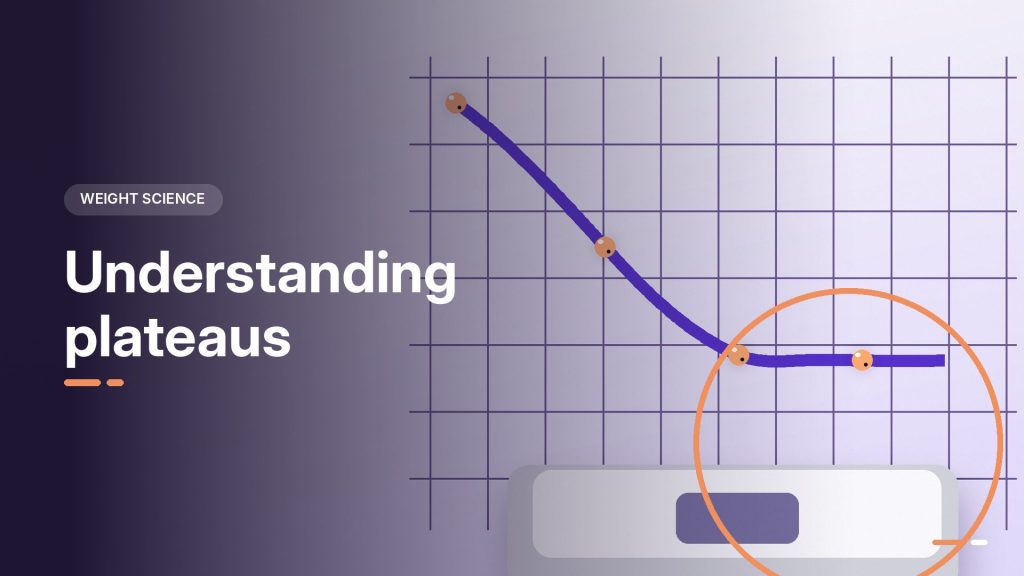
A stall on Mounjaro often has a specific cause, and it does not necessarily mean the medication has stopped working. Common reasons include a dose that has not yet reached the level that works for you, short sleep, liquid calories, and missed or delayed injections. The response to tirzepatide is individual, and repeated body composition measurements can show body fat still falling while the number on the scale holds steady.
- An unchanged number on the scale does not always mean an unchanged body composition, because fat mass and skeletal muscle can move in different directions.
- The dose that works differs between patients, and your endocrinologist decides it with you at the monthly follow-up based on response, tolerance and body composition trends.
- There is no automatic dose increase after four weeks, and some patients achieve good results at a lower dose for several months.
- In the SURMOUNT-1 clinical trial, around nine in ten participants on the highest dose of tirzepatide lost at least 5% of their body weight over 72 weeks, and around one in eleven did not.
- Short sleep, liquid calories and missed injections are among the common causes of a stall, and each can be changed. Protein intake and resistance training support muscle preservation and satiety during weight loss.
- Injection technique and pen storage can affect the dose you receive, and heat is a particular risk for pens in a UAE summer.
- We recommend raising a stall at your next follow-up, and your endocrinologist will decide any dose change with you.
Not losing weight on Mounjaro can be frustrating, particularly when you are paying for treatment and not seeing a change. A stall is reviewed by our endocrinologists at the monthly follow-up, and the common causes can often be identified.
Is the scale showing the whole picture?
The scale does not always show the whole picture. Short-term changes on the scale are often influenced by body water, alongside normal day-to-day variation. Changes in fat mass and skeletal muscle can move in different directions, so body weight alone may not show the full change in body composition. A patient who is losing body fat while preserving muscle can see little change on the scale while their waist measurement falls.
At Endocare, body composition analysis is included free of charge at every consultation. Body composition analysis estimates body fat, muscle mass and body water. Repeated measurements help your endocrinologist understand how your body is changing beyond the number on the scale. Our article on the difference between fat loss and weight loss explains why it matters.
What are the common reasons for a stall?
When repeated body composition measurements confirm that weight loss has slowed, the cause is often one of the following.
The dose has not reached the level that works for you
Mounjaro contains tirzepatide, which acts on two hormone receptors, GIP and GLP-1, that influence appetite and food intake. Treatment starts at 2.5 mg, and the dose that produces a meaningful response differs between patients. Dose decisions are made by your endocrinologist together with you at the monthly follow-up, in roughly four-week increments, based on your weight loss response, how well you tolerate the medication and your body composition trends. There is no automatic increase after four weeks. Some patients stay at 2.5 mg for several months with good results, while others need to increase to a higher dose for the best response.
A maintenance dose is the dose that helps maintain your results once you have reached your target weight and achieved the symptom control you were treated for. The FDA-approved maintenance doses of tirzepatide are 5 mg, 10 mg and 15 mg once weekly, with 5 mg being the lowest maintenance dose. Your maintenance dose is tailored to your individual response and does not necessarily need to be the maximum dose. Our article on the maintenance dose explains how your endocrinologist chooses it.
Sleep and stress
Most adults are advised to aim for around seven to nine hours of sleep a night. Short sleep can raise ghrelin and cortisol and lower leptin, which can make appetite harder to manage even on treatment. Our article on cortisol and weight gain covers the stress side.
Liquid calories and alcohol
Liquid calories can easily add to your daily intake. Karak, juice and flavoured coffees are common examples that can contain more calories than people realise. A reduced appetite on Mounjaro does not reduce the calories in a drink. Alcohol also adds calories and can make food choices harder to manage. Our guide to what to eat on Mounjaro covers lower-calorie options.
Missed or delayed injections
Mounjaro is taken once weekly, and missed or delayed injections can reduce its effect on appetite in the days that follow. If you have missed a dose, follow the instructions in your pen leaflet and tell your endocrinologist at your follow-up. Do not take an extra dose to make up for it.
Does low protein intake cause a plateau?
Protein intake matters for muscle preservation and satiety, although low protein intake is not by itself the reason a plateau occurs. A large calorie deficit with too little protein can increase the share of weight lost as muscle. A study in the International Journal of Obesity measured a decrease in resting metabolic rate of around 101 calories a day in adults who lost around 8 kg over a year. It attributed roughly 60% of that decrease to the loss of energy-expending tissue and roughly 40% to metabolic adaptation. General guidance such as the International Society of Sports Nutrition suggests roughly 1.2 to 1.6 g of protein per kg of body weight per day for people losing weight. Endocare’s lifestyle coaches will personalise that figure from your body composition analysis. Our weight loss diet plan covers how to reach it with a smaller appetite.
Two to three resistance training sessions a week can help preserve muscle during weight loss. Our article on resistance training on a GLP-1 medication explains how to start.
Can injection technique or pen storage affect your result?
Injection technique and storage can both affect the dose you receive. Mounjaro, Wegovy and Ozempic come in different pens. All are injected subcutaneously, but the exact pen technique differs by medication and device, so follow the instructions supplied with your prescribed pen. Our guide to injection technique covers site rotation and what to do if medication appears to leak.
Heat can also affect the medication. Mounjaro pens have a storage limit of 30°C once out of the fridge, and the inside of a parked car in a UAE summer can exceed that temperature. Heat can degrade the medication without a visible change, so a pen that has been exposed to heat may be less effective. Our article on storing your pen in UAE heat sets out the limits for each pen.
Are some people resistant to Mounjaro?
Response to tirzepatide varies between individuals, and a minority of patients respond less than others. The FDA prescribing information for Zepbound, the weight management version of tirzepatide, reports results from SURMOUNT-1, a Phase 3 clinical trial in adults with obesity or overweight. Around 91% of participants on the highest dose lost at least 5% of their body weight over 72 weeks, compared with around 35% on placebo, which leaves around one in eleven who did not reach 5%.
A slower response is not a failure, and it is not the patient’s fault. Your endocrinologist will review your dose, how long you have been taking Mounjaro, your response and any other factors affecting your weight. Together, you can decide whether to continue, adjust treatment or consider another option. The alternatives our endocrinologists can discuss include Wegovy, Foundayo and the Wegovy pill. Patients should not decide by themselves to start a GLP-1 medication. A doctor’s review is critical to ensure the treatment is safe and appropriate for the individual.
What does your endocrinologist review at a follow-up?
At a follow-up for a stall, your endocrinologist will review how your weight has changed since your last appointment and whether you are continuing to lose weight, alongside your body composition analysis. The review also covers side effects, your eating and activity, and any missed injections. Monthly follow-up appointments can be held in person at the clinic or online. We recommend the first consultation in person, as it includes a physical examination and body composition analysis.
Conditions other than weight can also slow progress. Thyroid disease can affect metabolic rate and make weight management more difficult, but it is treatable once diagnosed. Insulin resistance can also make weight loss more challenging and is often associated with increased waist circumference. Polycystic ovary syndrome (PCOS) affects around one in ten women of reproductive age and can influence weight and metabolism. Certain prescription medications can also contribute to weight gain.
If side effects are limiting your dose, your endocrinologist can adjust the pace of dose increases and, where needed, prescribe medication to help manage these side effects.
How long should a plateau last before you act?
A week or two with no change is common and is often influenced by body water. We do not recommend responding to a weight loss plateau by immediately cutting calories further. A larger calorie deficit can be harder to sustain and may increase the risk of losing lean mass. Instead, our coaches typically review the plan, maintain adequate protein intake and allow more time before making further adjustments.
If your weight is not changing despite a consistent plan, it may be worth reviewing both the plan and whether any medical factors could be contributing. We recommend raising it at your next monthly follow-up. Do not increase your dose yourself. Our page on Mounjaro results after two months covers what the early months often look like.
Frequently asked questions
Is a plateau on Mounjaro normal?
Yes, it is common. Short-term changes on the scale are often influenced by body water, and weight loss often slows as the months go on. We recommend reviewing the plan with your endocrinologist before making any change to treatment.
Should I increase my dose if I have stalled?
We do not recommend increasing the dose yourself. Your endocrinologist decides the dose together with you at the monthly follow-up, based on your response, tolerance and body composition trends. A higher dose is one option, and changes to sleep, activity or drinks may help without one.
Are some people resistant to Mounjaro?
Response varies, and a minority of patients respond less than others. In the SURMOUNT-1 clinical trial, around one in eleven participants on the highest dose of tirzepatide did not reach 5% weight loss over 72 weeks. Your endocrinologist can review the reasons and the alternatives with you.
Why has the scale stopped moving when my clothes fit better?
Fat mass and skeletal muscle can change in different directions. If you are losing body fat while preserving muscle, the scale can hold steady while your waist measurement falls, and repeated body composition measurements can show what is happening.
Can heat damage my pen and reduce the dose?
Heat can damage the medication in your pen. Mounjaro pens should be kept below 30°C once out of the fridge, and heat can degrade the medication without a visible change. If a pen has been exposed to heat, contact the clinic before using it.
Why am I gaining weight on Mounjaro?
A small rise on the scale can come from fluid retention, hormonal changes during the menstrual cycle or normal day-to-day variation. A sustained increase is worth raising at your follow-up, where your endocrinologist can review your body composition analysis, your eating pattern and any other medications.
Does the same apply to Ozempic or Wegovy?
The same causes can slow weight loss on Ozempic and Wegovy, and the same review applies: body composition, dose, protein, sleep, technique and other medical factors.
If your weight has stalled on Mounjaro, a review can identify the cause. Your endocrinologist will check your body composition analysis, your dose, your side effects and your blood tests, and agree the next step with you.
You can book a review with an endocrinologist at our clinics in Dubai and Abu Dhabi.
