
Home » GLP-1 Weight Loss Injection Clinic in UAE » Zepbound Injection in UAE: Price, Benefits, Eligibility & Treatment Guide
Zepbound Injection in UAE: Price, Benefits, Eligibility & Treatment Guide

Dr. Hecham Harb
Consultant Endocrinologist & Medical Director
Book Your Consultation
- Specialist consultation
- Personalized Coaching
- Body Composition Analysis
01 Introduction
Zepbound or tirzepatide is currently among the most effective medications used in medical weight management. In large clinical studies, Patients under specialist supervision receiving this therapy achieved average weight reductions exceeding 20% of total body weight when treatment was combined with structured lifestyle support.
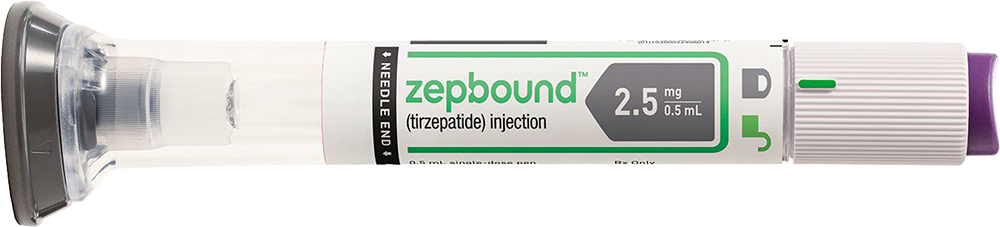
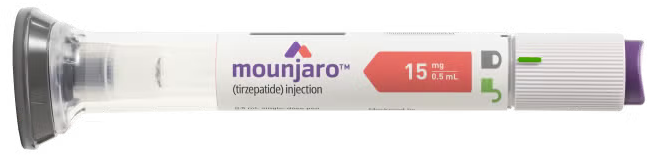
The medication is marketed internationally under different brand names. While Zepbound is the name approved specifically for obesity treatment in some countries, the identical drug is available in the UAE under the brand Mounjaro. Both products contain the same active molecule, tirzepatide, produced by the same manufacturer.
This guide explains how tirzepatide works, who may benefit from treatment, expected weight-loss outcomes, and what medically supervised therapy typically involves in UAE
Calculate your expected weight loss with Zepbound
Calculate your expected weight loss
current weight:
lose up to:
02 What is Zepbound (tirzepatide)?
Zepbound is the brand name for tirzepatide, a once-weekly injectable medication developed by Eli Lilly for chronic weight management.
Tirzepatide acts on two key hormonal pathways involved in appetite regulation and metabolism. It stimulates both the GLP-1 receptor and the GIP receptor, two incretin hormones that influence how the body regulates hunger, insulin release, and nutrient utilisation.
Activation of the GLP-1 pathway helps reduce appetite, slows the rate at which food leaves the stomach, and improves blood glucose control. The GIP pathway contributes to improved insulin sensitivity and may support more efficient fat metabolism.
By targeting both receptors simultaneously, tirzepatide produces a stronger metabolic effect than medications that activate GLP-1 alone. This dual-hormone mechanism is the primary reason the medication has demonstrated greater weight-loss outcomes in clinical trials.
03 Zepbound vs Mounjaro: are they the same?
Zepbound and Mounjaro contain the same active medication: tirzepatide. Both are manufactured by Eli Lilly and use identical injection pens, dosing strengths, and pharmacological mechanisms.
The difference lies primarily in regulatory approval. Mounjaro was initially authorised for the treatment of type 2 diabetes, while Zepbound was later approved specifically for chronic weight management.
In the UAE, tirzepatide is currently registered under the name Mounjaro. When doctors prescribe Mounjaro for weight management in UAE, patients are receiving the same medication that is marketed internationally as Zepbound.
From a clinical perspective, the treatment itself remains unchanged.
04 How much weight can you lose with Zepbound?
Weight-loss outcomes with tirzepatide have been extensively studied in the SURMOUNT-1 clinical trial, which followed patients for 72 weeks.
Participants receiving tirzepatide experienced substantial reductions in body weight:
- Approximately 15% weight loss with the 5 mg dose
- Around 19–20% weight loss with the 10 mg dose
- Just over 20% weight loss with the 15 mg dose
At the highest dose, more than nine out of ten participants lost at least 5% of their starting body weight, a clinically meaningful threshold associated with improvements in metabolic health.
For example, an individual starting at 100 kg could lose roughly 20 kg during treatment.
Many patients begin to notice appetite reduction and early weight loss within the first 6–8 weeks, although the rate of progress varies. Outcomes depend on several factors including baseline BMI, metabolic profile, adherence to treatment, and lifestyle patterns.
In clinical practice, combining medication with structured guidance on nutrition, activity, sleep, and behavioural habits tends to improve long-term treatment response and supports healthier body composition changes.
05 Who is eligible for Zepbound treatment?
Zepbound therapy is typically considered for individuals with clinically significant excess weight.
International treatment guidelines generally recommend medication for:
- Individuals with a BMI of 30 or higher, indicating obesity
- Individuals with a BMI of 27 or higher who also have a weight-related medical condition
Common conditions that support treatment include type 2 diabetes, hypertension, abnormal cholesterol levels, or obstructive sleep apnoea.
Medication may also be appropriate for patients who have attempted structured lifestyle changes but have not achieved meaningful or sustainable weight reduction.
Certain individuals should not use tirzepatide. These include patients with a personal or family history of medullary thyroid carcinoma, those diagnosed with Multiple Endocrine Neoplasia syndrome type 2, and individuals who are pregnant or breastfeeding.
Because medical history and metabolic risk factors vary, eligibility should always be determined through clinical evaluation by a qualified physician.
Eligibility is confirmed at a medical weight loss consultation, where our doctors review your history, labs and body composition before prescribing.
06 Dosage and how the medication is used
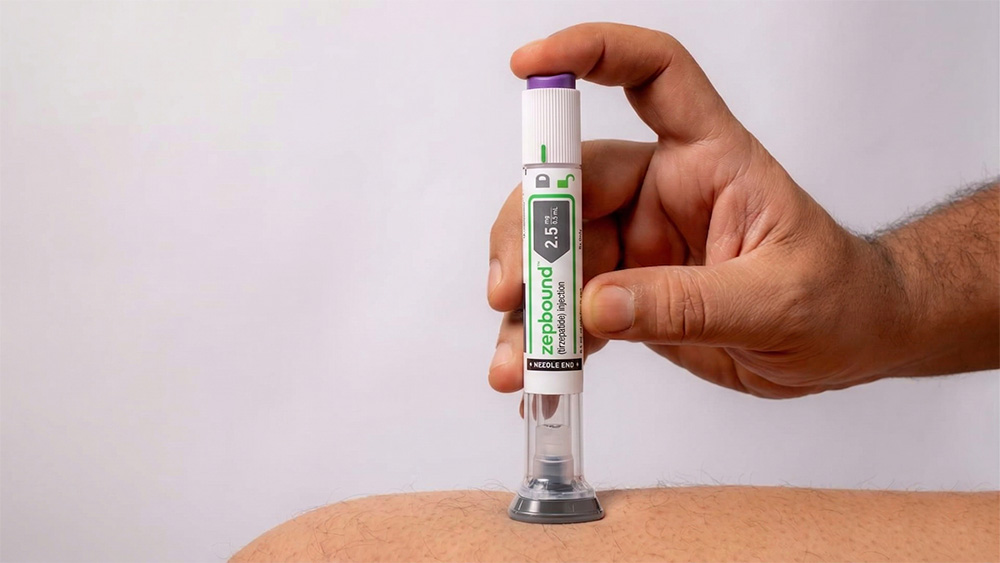
Zepbound is administered as a once-weekly subcutaneous injection using a pre-filled pen device.
The injection is typically given in the abdomen, thigh, or upper arm, depending on patient preference and comfort.
Treatment normally begins with a low starting dose of 2.5 mg per week. This initial stage helps the body adapt to the medication and reduces the likelihood of digestive side effects. It is considered a treatment initiation phase rather than a full therapeutic dose.
Dose adjustments occur gradually and are determined by the treating physician. The pace of dose escalation depends on:
- Weight-loss response
- Appetite control
- Side-effect tolerance
- Individual metabolic profile
Some patients achieve good outcomes at relatively low doses, while others require higher levels for adequate appetite regulation.
The maximum approved weekly dose is 15 mg, though not every patient needs to reach this level to achieve meaningful weight loss.
07 Side effects and safety considerations
Most side effects associated with tirzepatide involve the digestive system and occur most commonly during periods when the dose is increased.
Patients may experience symptoms such as:
- Nausea
- Reduced appetite
- Mild stomach discomfort
- Temporary digestive changes
These effects are generally short-lived and tend to improve within several days as the body adapts to the medication.
Less common but more serious complications may include pancreatitis, gallbladder disease, or rare thyroid-related concerns involving C-cell tumours. Although these events are uncommon, they are the reason treatment should always be conducted under medical supervision.
Gradual dose escalation and regular clinical follow-up significantly reduce the likelihood of complications and allow doctors to address side effects early if they occur.
08 What to expect during treatment
Weight management therapy with tirzepatide typically begins with a comprehensive medical consultation.
During the first appointment, the physician reviews the patient’s weight history, medical background, and treatment goals. This assessment helps determine whether medication is appropriate and what treatment strategy should be used.
Baseline laboratory testing is usually performed before starting therapy. These tests may include measurements such as:
- HbA1c and fasting glucose
- Thyroid function
- Liver and kidney markers
- Lipid profile
- Inflammatory and hormonal markers
Many clinics also perform a body composition analysis, which measures fat mass, muscle mass, and metabolic indicators beyond simple body weight.
Once treatment begins, patients attend regular follow-up appointments to review progress, adjust medication doses if necessary, and monitor metabolic health.
Ongoing support may involve both medical supervision and structured health coaching to support long-term behaviour change.
09 How to maximise treatment results
Medication plays a central role in appetite regulation and metabolic control, but certain lifestyle patterns can significantly enhance treatment outcomes.
A structured nutrition approach that includes adequate protein intake helps preserve lean muscle mass during weight loss. Maintaining muscle is important for metabolic health and long-term weight stability.
Regular resistance training and consistent daily movement support healthier body composition changes by encouraging fat loss while protecting muscle tissue.
Sleep quality also plays an important role. Poor sleep can influence appetite hormones and insulin sensitivity, making weight management more difficult.
Monitoring progress beyond the scale is helpful as well. Body composition measurements, waist circumference, and metabolic markers often provide a clearer picture of health improvements than weight alone.
Consistency with medical appointments and treatment monitoring helps ensure that medication dosing and lifestyle strategies remain appropriate throughout the weight-loss process.
10 Cost of tirzepatide treatment in UAE
In the UAE, tirzepatide is available under the brand Mounjaro.
The medication itself currently costs AED 1,734 per month, regardless of the dosage strength prescribed.
The overall cost of treatment may vary depending on several factors, including:
- Medical consultations
- Laboratory testing
- Body composition assessments
- Clinical monitoring and follow-up support
Some clinics offer structured treatment programmes that combine medication with medical supervision and health coaching. These integrated programmes may provide more comprehensive care compared with obtaining medication alone.
Patients interested in treatment can contact Endocare to receive detailed information about available packages and clinical support options.
11 Why choose Endocare?
Effective medical weight management requires more than prescribing medication. For condition-specific guidance, see our pages on PCOS eligibility, prediabetes, and insulin resistance. For a broader comparison, read our Mounjaro vs Ozempic vs Wegovy guide and our overview of common myths about weight loss injections. It involves understanding each patient’s metabolic profile and adjusting treatment accordingly.
At Endocare Clinic, weight management programmes are overseen by experienced endocrinology specialists who focus on identifying the biological drivers of weight gain rather than applying a generic protocol.
Medication dosing is adjusted individually based on treatment response, metabolic markers, and tolerance, allowing therapy to evolve as the patient progresses.
Patients also receive structured guidance across four lifestyle domains that influence metabolic health: nutrition, physical activity, sleep quality, and stress regulation. This integrated approach helps improve body composition while maintaining lean muscle mass.
Throughout treatment, patients undergo regular clinical monitoring, which may include body composition analysis, laboratory testing, and ongoing medical reviews. These assessments help ensure that progress remains safe, effective, and sustainable over time.
12 FAQ
Is Zepbound available in UAE
The brand name Zepbound is not currently registered in the UAE. However, the same medication, tirzepatide, is available under the name Mounjaro, which contains the identical active molecule.
How quickly does tirzepatide start working?
Many patients begin noticing appetite reduction and early weight changes within the first several weeks of treatment. Meaningful weight reduction typically becomes more visible during the first two months, although individual response varies.
Is tirzepatide more effective than semaglutide?
Clinical studies comparing the medications suggest that tirzepatide may produce greater average weight reduction. This is largely due to its dual hormonal mechanism, which activates both GLP-1 and GIP pathways involved in appetite and metabolic regulation.
What happens if treatment is stopped?
Discontinuing medication may lead to weight regain over time, particularly if lifestyle patterns remain unchanged. Developing a long-term maintenance strategy helps support sustained results after treatment.
Can the medication work without lifestyle changes?
Tirzepatide influences appetite and metabolism directly, so weight loss can occur with medication alone. However, combining treatment with structured nutrition and physical activity generally leads to better long-term body composition outcomes.
Do I need a prescription?
Yes. Tirzepatide should always be prescribed and monitored by a qualified medical professional. Self-medication is unsafe and not recommended.
Book Your Consultation
- Specialist consultation
- Personalized Coaching
- Body Composition Analysis