
Microdosing Ozempic and Mounjaro: what it means and what the evidence shows
Quick answer Microdosing means taking less of a GLP-1 medication than the approved or prescribed dose. It is an off-label practice, and no clinical trial has shown it to be safe or effective for weight loss. A low approved dose chosen by your endocrinologist is different from microdosing. Some patients stay on a low approved […]
Compounded semaglutide and tirzepatide: what you should know

Quick answer A compounded GLP-1 is prepared by a compounding pharmacy from an active pharmaceutical ingredient, not manufactured as a licensed medicine. The US Food and Drug Administration states that unapproved versions, including compounded semaglutide and tirzepatide, are not reviewed for safety, effectiveness or quality before they are marketed. Published analyses of compounded products have […]
How many calories does it take to lose 1 kg?
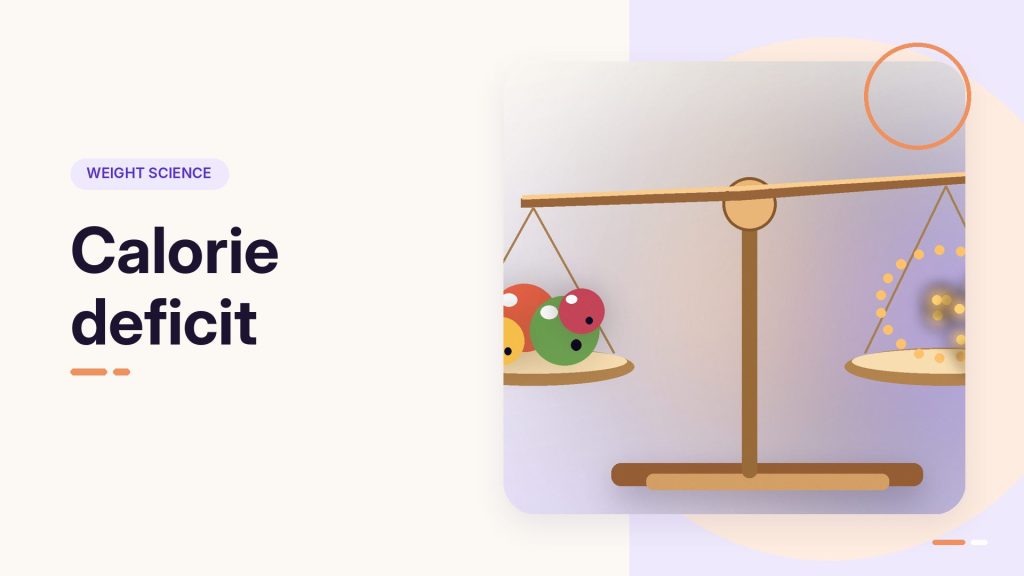
Quick answer Losing 1 kg of body fat takes an energy deficit of roughly 7,700 calories. The figure is an approximation and a useful starting point. A deficit that is truly maintained still produces fat loss. What often shrinks is the realised deficit: as resting metabolic rate decreases, the same daily intake no longer creates […]
Losing weight after pregnancy, and what to check if it will not shift

Quick answer Most women lose weight gradually after giving birth, and a slow pace is normal. MedlinePlus advises waiting until the postpartum check-up before trying to lose weight and, when breastfeeding, until the baby is around two months old and milk supply has settled. When weight does not change despite a consistent plan, we recommend […]
Losing weight with an underactive thyroid
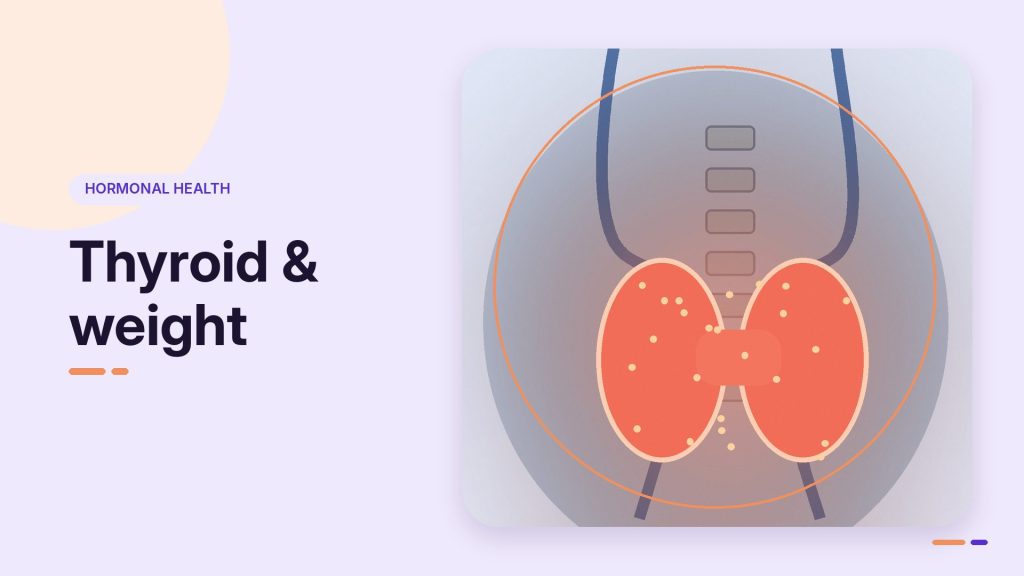
Quick answer An underactive thyroid can cause modest weight gain, much of it salt and water rather than body fat. The British Thyroid Foundation states that treatment can be expected to produce a small weight loss, usually less than 10% of body weight, and that no significant weight loss is fairly common. The American Thyroid […]
Who qualifies for weight loss injections in the UAE?

Quick answer Endocrinologists prescribe weight loss injections for adults with a body mass index above 30, or above 27 when there is a weight-related condition such as type 2 diabetes, high blood pressure or high cholesterol. Meeting the threshold does not by itself mean the medication will be prescribed. Your endocrinologist will also review your […]
Fat loss and weight loss are not the same thing
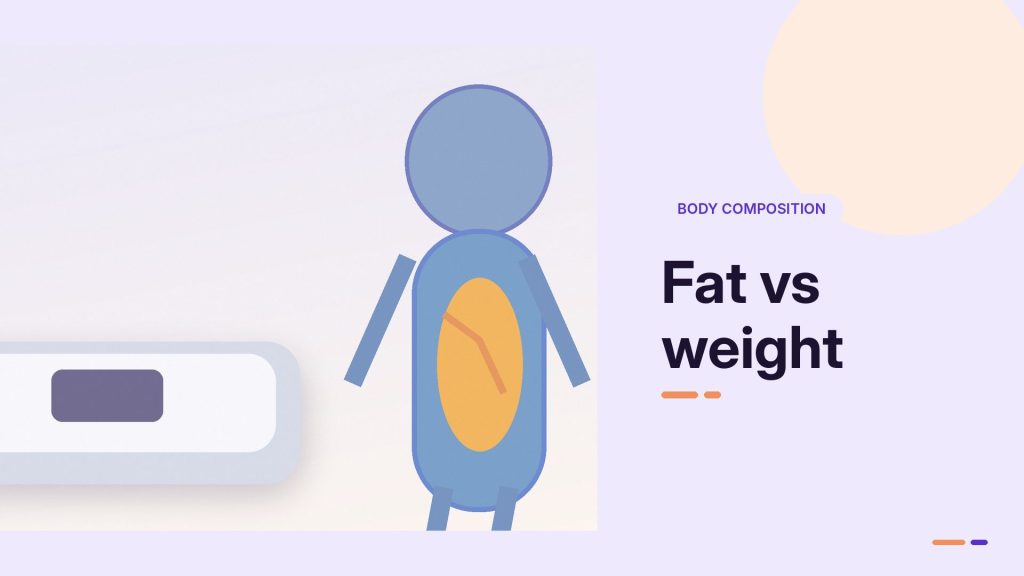
Quick answer Weight loss is any fall in total body weight, including water, muscle and body fat. Fat loss is the part of that change most closely associated with better metabolic health. A scale cannot separate the two. A body composition analysis estimates body fat percentage, skeletal muscle mass, visceral fat and body water, and […]
Coming off a weight loss injection safely

Quick answer Stopping a GLP-1 injection suddenly is not dangerous for most patients, although appetite can return within weeks as the medication leaves the body. We recommend a planned step down agreed with your endocrinologist. Your endocrinologist can lower the dose in steps and lengthen the time between injections, which may allow appetite to return […]
Keeping the weight off after a GLP-1 medication

Quick answer Appetite returns when a GLP-1 medication is stopped, and some patients regain weight. Regain is possible if the underlying causes of weight gain are not addressed. Lifestyle coaching is designed to address them. The trial figures most often quoted describe outcomes without structured maintenance support, so they are not a prediction for a […]
Cortisol and weight gain: what is true and what is not

Quick answer Cortisol is a hormone released by the adrenal glands, and its level rises and falls through the day, including in response to stress. Raised cortisol can increase appetite and is associated with fat stored around the abdomen. In most people with weight gain, cortisol levels are normal. Normal stress-related fluctuation is not the […]